Roof work is loud, visible, and expensive. For homeowners in Frisco, choosing the right provider can protect a mortgage, preserve insulation, and keep a family safe during a stormy night. Hiring a local contractor is not just about convenience. It affects warranty reliability, permitting, insurance interactions, and long-term maintenance. Below I share field-tested advice, concrete questions to ask, and judgments that separate careful contractors from the ones who overpromise and underdeliver. I draw on project experience, common problems I’ve seen on jobsites, and what matters for Frisco’s climate and building codes.
Why the local factor matters
Frisco sits on the edge of North Texas weather patterns. Summers bring intense sun and heat, winters sometimes deliver freeze events, and spring and fall can generate hail and high winds. A roofer who works constantly in Dallas-Fort Worth understands material performance under those specific stresses. Local contractors know which shingle blends hold granules against Texas sun, how underlayment performs in prolonged heat, and what fastening patterns survive our typical wind loads.
Local also means accountability. When a storm hits, the phone booths and shopfronts of a genuine Frisco-based crew are nearby. They can respond quickly for emergency tarping, for reinspection after a hail event, and for small repairs tied to warranty work. National chains with regional outposts may have longer response times because crews are moved around.
Common contractor red flags and how to spot them
A quick inspection of a contractor’s behavior and documents will reveal most problems long before a nail is driven.
- A contractor who asks for a large upfront cash payment without a clear, written schedule for materials and labor is a major red flag. Contractors need deposits to buy shingles and schedule crews, but the amount should reflect stage payments, not an all-or-nothing demand. Vague estimates that list "remove and replace roof" without quantities, material brands, warranty details, or tear-off counts. A good estimate shows how many squares are included, whether the job includes flashing replacement, and whether they are removing existing layers or installing over them. No local references. Ask to see recent, local jobs and then drive by. Pictures are easy to fabricate; a visit during daylight gives you the real story. Look for neat flashing, consistent shingle courses, and clean jobsite cleanup. Leftover nails or ripped gutters are signs of haste. No proof of insurance and licensing. A contractor must carry general liability and workers compensation. If a roofer lacks workers comp, you could be responsible if a worker is injured on your property. Verify the policy numbers and call the insurance carrier if you have any doubts. Pressured sales tactics, especially after storms. Storm-chasing crews often show up after hail events with claims about how urgent your roof replacement is. It may be necessary, but don't be rushed into signing. Take photos, request an inspection report from your insurer, and compare two or three bids.
How to read and compare bids so the comparison is fair
Two estimates that look wildly different on price may actually be covering very different scopes. A $7,000 bid could be a full tear-off with a 30-year architectural shingle and replaced flashing, while a $4,200 bid might be an overlay of a budget 3-tab shingle. To compare apples to apples, insist each bid include these items in writing: number of layers removed, type and brand of shingles, underlayment brand and weight, edge metal and step flashing replacement, venting work, decking repair allowance with per-sheet pricing, permit fees, and warranty terms.
Examples with numbers help. On a typical 2,000 square-foot Frisco home with a hip roof that translates into about 20 squares. If a contractor quotes $120 per square for a full tear-off using a Class 3 impact-rated architectural shingle, the math is 20 squares times $120, or $2,400, plus materials and labor. If another contractor quotes $350 per square for the same scope but includes upgraded synthetic underlayment, ridge vents, and new flashing, the higher price might be justified. Ask for line-item breakdowns and a clear statement of exclusions, like gutter replacement or front-yard landscaping repair.
Questions to ask that expose competence
Below is a short checklist of questions to ask every contractor you interview. Good answers are specific, not evasive.
- How long have you been roofing in Frisco, and can you provide three local references with projects completed in the last 12 months? What brand and model of shingle do you recommend, and why would you choose it for Frisco’s sun and hail exposure? Are you licensed, and can you show insurance certificates for general liability and workers compensation with my name listed as the certificate holder for the job? Do you provide a written estimate that includes a tear-off count, underlayment type, flashing details, ventilation work, and a deck repair allowance per sheet if rot is found? What is your warranty on workmanship, and how do you handle warranty claims? Who will I call, and what is the expected response window?
Understanding warranties and guarantees
Warranties have two parts. Manufacturers provide product warranties for shingles and accessories, and contractors provide workmanship warranties. Product warranties often cover manufacturing defects and appear as limited lifetime or 30-year warranties. Those are conditional on proper installation and ventilation. If a contractor installs shingles incorrectly, the manufacturer can deny a claim.
Workmanship warranties often start at one year and extend up to 10 or more years for reputable contractors. But read the fine print. Some warranties are transferable, some are prorated, and some require homeowner registration for the manufacturer warranty to be valid. Ask for examples of past warranty claims and how they were resolved. A trustworthy roofing team will retain records, submit warranty claims on your behalf, and make good on legitimate defects rather than arguing with the homeowner.
Insurance claims and working with adjusters
If your replacement is tied to an insurance claim, thoughtful coordination matters. Some contractors offer to meet your adjuster on-site. That can be helpful, but avoid any roofer who encourages you to sign an assignment of benefits without fully understanding the language. Assignment of benefits can expedite work, but it often gives the contractor control of the insurance claim and may expose you to disputes.
A practical approach: request two independent inspections, one by your adjuster and one by the contractor. Compare notes. If the adjuster’s scope is narrower, request supplemental documentation from the contractor including photos, measurements, and a material list. Keep copies of every estimate and correspondence. Founders Roofing & Construction, for instance, is a name some local homeowners have referenced for clear communication during claims, though you should still vet any company with the steps above.
Venting and attic health, often overlooked but critical
Roofing is not just shingles and flashing. Ventilation and attic insulation determine how long a roof performs. A hot attic accelerates shingle degradation and can warp decking. A contractor who ignores ridge venting, soffit intake, and balanced airflow is likely to deliver a shorter-lived roof, regardless of shingle quality.
Ask for an attic inspection before work begins. Verify current venting, telltale signs of poor airflow such as heat blistering or staining, and a plan to correct imbalances. The fix can range from simple incremental soffit venting to installing continuous ridge vents and powered attic fans for tough cases. These changes cost money but add life to the roof and reduce energy bills.
Material choices that make sense in Frisco
Asphalt architectural shingles remain the dominant choice for single-family roofing because they balance price, durability, and appearance. For Frisco, the factors worth weighing are wind resistance rating, impact resistance rating, and UV stability. Cool roof coatings and reflective shingles can reduce attic temperatures, though their cosmetic choices are limited. Metal roofing is long-lasting and resists wind and hail better than asphalt, but it costs two to three times more up front and can be noisy during heavy rain without proper insulation.
Synthetic underlayments are more resilient in heat than traditional felt. If the house sits in a high-sun location, pay the modest premium for synthetic underlayment. Another practical decision concerns fasteners. Ring-shank nails hold better in wind than smooth nails. Confirm what your contractor intends to use.
The jobsite: what to expect on install day
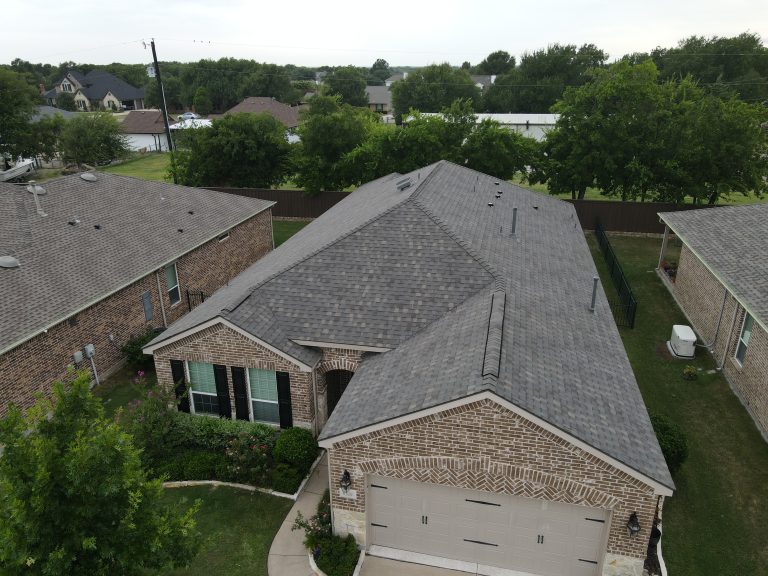
A professional crew sets expectations before arrival. They provide a clear start date, an approximate duration, and a daily plan for cleanup and protection. Good crews install magnet sweeps at the end of each day, cover landscaping and parked cars, and place a dumpster or tarps for waste. If you have a fenced yard or pets, coordinate access.
On the technical side, expect the crew to remove old flashing, inspect deck boards for rot, and replace perimeter drip edge. Pay attention to how they handle vents and chimneys. Flashings should be layered, not simply caulked. If the contractor rushes through flashing, that often becomes the first site of leaks.
Deal structures and payment terms that protect you
Payment structures vary, but a fair approach balances contractor cash flow and homeowner protection. A 10 to 20 percent deposit to order materials is common. A mid-job draw may be appropriate after tear-off and deck repairs. Save the final payment until after a thorough inspection, including a walk-through and a signed lien waiver. Lien waivers prevent subcontractors from placing mechanic liens roofing contractors Frisco estimates against your property if the primary contractor fails to pay them.
Avoid paying the full amount upfront, and refuse to sign anything that waives your inspection rights or limits your ability to withhold a reasonable amount for incomplete work. Contractors who insist on full payment before final inspection are often the same ones who disappear when callbacks are needed.
Post-installation responsibilities
A roof replacement is not the end of a relationship. Expect a final walkthrough with the contractor where they explain maintenance, how to clear debris from valleys, and what to watch for after heavy storms. Collect the manufacturer warranty card and the contractor’s workmanship warranty in writing. Photograph the completed roof from multiple angles and keep those images with your homeowner insurance files.
Plan for a reinspection after the first major storm season, and know how the contractor handles small repairs. Minor issues such as popped nails, gutter misalignments, or loose flashing often arise and should be fixed under the workmanship warranty without extra charge.
When to choose a specialized roof instead of a standard replacement
Some homes in Frisco, especially older or architecturally distinct houses, need specialty roofing like cedar shakes, tile, or slate. These materials have specific installation requirements and longer lifespans, but they are costlier and often heavier, which may necessitate structural evaluation. Choose a contractor with proven experience in the specialty material, not someone who "also does tile." Ask for examples, warranty terms, and maintenance expectations. For example, tile roofs commonly require underlayment replacements and attention to ridge caps every 15 to 20 years, and you should budget accordingly.
Final thoughts that will help you act with confidence
Roofing is a significant investment. The right choice balances material longevity, local knowledge, warranty clarity, and clear communications. A reputable local contractor understands Frisco’s weather patterns, works with local inspectors and suppliers, and responds quickly when issues arise. Names and reputations matter, and companies such as Founders Roofing & Construction have been mentioned in local conversations for consistent communication and solid installation practices, but still verify credentials, check references, and compare written bids.
When in doubt, slow the process down. Get two or three written estimates, verify insurance and licensing, and ask for a clear timeline that includes cleanup and a final walkthrough. Protect yourself with staged payments, lien waivers, and retained documentation. Take photographs before, during, and after the job. With a careful selection process, your roof will protect the home and families underneath for years, and you will reduce the odds of expensive callbacks and surprise repairs.
Founders Roofing & Construction
8501 Wade Blvd Suite 560, Frisco, TX 75034, United States
+1 469-799-0969
[email protected]
Website: https://foundersroofing.com